Advocacy & Systemic Change
Demanding Better.
Building Better.
“When carers speak, listen. When carers warn, act”
Why We Exist
We advocate for change where systems consistently fail patients, families, and clinicians. From the exclusion of carers from clinical decision-making to restrictive pain management practices that compromise dignity, the gaps are systemic and well documented. Regional communities bear a disproportionate burden, too often cut off from specialist palliative care when it matters most.
Task-driven, risk-averse care erodes the humanity that patients and families deserve, while escalation mechanisms without authority leave genuine concerns unresolved. Loss of dignity is not an isolated incident; it is the predictable outcome of a system that prioritises process over people. Healthcare staff absorb the consequences, with burnout and moral injury the quiet cost of a system that asks much and supports little.
Through the Ryan Bowman Palliative Care Scholarship, our alignment with the DAISY Foundation, and our advocacy for carer-initiated escalation frameworks like Ryan's Voice, the Foundation works to address these failures with purpose, evidence, and lived experience.
The Ryan Bowman Scholarship
Upskilling regional healthcare workers in palliative and end-of-life care, because geography should never determine the quality of care a person receives at the end of their life.
Supportive Association to the DAISY Foundation™
The DAISY Award®️ is a special honor given to extraordinary nurses for the compassionate contributions they make every day going above and beyond expectations in science and sensitivity.
Ryan's Voice
A proposed South Australian framework giving patients and families a formal, protected pathway to escalate clinical concerns. Because when carers speak, the system must listen.
Our Advocacy Priorities
Transforming Lived Experience into Meaningful Systemic Improvement
- Embed lived experience as clinical intelligence within care delivery
- Strengthen education and escalation capability across all health settings
- Reform pain management pathways to reduce unnecessary suffering
- Promote family-centred care that recognises carers as partners, not visitors
- Establish clear accountability standards for end-of-life care quality and dignity
- Support clinician wellbeing through appropriate supervision and support structures
The Gaps We Are Closing
How We Advocate
We take a practical, collaborative approach while remaining willing to challenge where needed by:
- Working directly with healthcare services to improve practice and culture
- Contributing evidence-informed policy submissions
- Engaging publicly to ensure palliative and end-of-life care remain visible priorities
- Partnering with clinicians, organisations, and advocates to amplify impact
- Speaking honestly about failures when silence would perpetuate harm
The Ryan's Voice Campaign
Current Focus
- Progressing Ryan's Voice as a formal carer-initiated clinical escalation framework for South Australia, modelled on Queensland's Ryan's Rule
- Engaging parliamentary representatives, health networks, and peak bodies to build the case for legislative and policy change
- Ensuring the lived experience of patients, families, and carers is central to the design and implementation of any escalation framework
- Advocating for mandatory staff training in carer escalation protocols, so that every clinician understands their obligation to listen, respond, and act when a family raises a concern



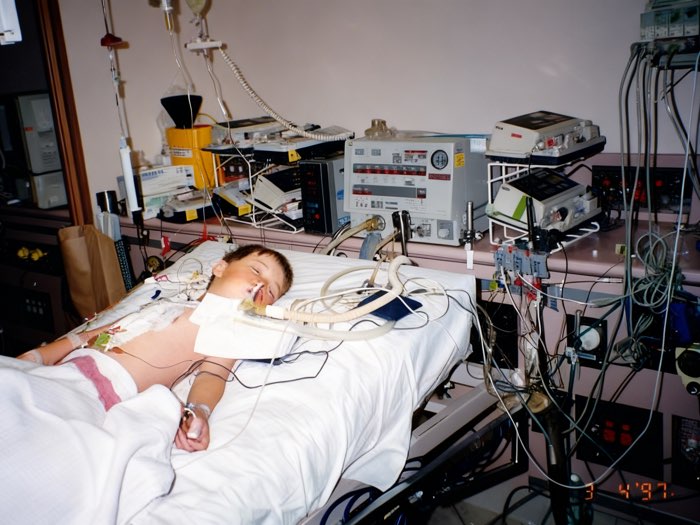
“When carers speak, listen. When carers warn, act”
Why We Exist
01
The Scholarship
Upskilling regional healthcare workers in palliative and end-of-life care, because geography should never determine the quality of care a person receives at the end of their life.
02
The DAISY Foundation™
The DAISY Award®️ is a special honor given to extraordinary nurses for the compassionate contributions they make every day going above and beyond expectations in science and sensitivity.
03
Ryan's Voice
A proposed South Australian framework giving patients and families a formal, protected pathway to escalate clinical concerns. Because when carers speak, the system must listen.